

FAITH IN THE DIGITAL AGE One of the most discussed topics among Christians today is how believers can faithfully follow Christ in an age dominated by social media, digital influence, and constant online engagement. Smartphones, streaming platforms, and digital communities have transformed how people think, communicate, worship, and even share the Gospel. While technology provides great opportunities for ministry, it also presents serious spiritual challenges such as distraction, comparison, misinformation, and moral compromise.
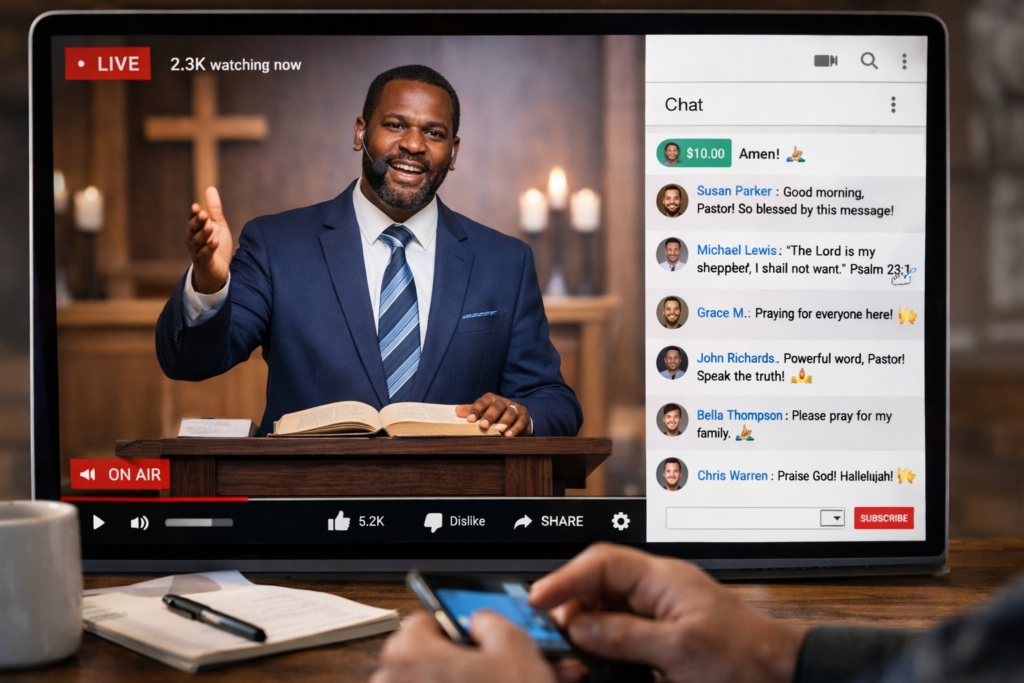
The key question facing modern believers is: How can Christians remain spiritually grounded while living in a hyper-connected digital world?
1. The Digital World: Opportunity for the Gospel
The internet has opened unprecedented doors for evangelism and discipleship. Today, sermons, devotionals, Bible studies, and worship services can reach millions of people instantly across nations and cultures.
- Churches now conduct online fellowships and prayer meetings.
- Christian creators share faith-based teachings on platforms like YouTube, Instagram, and TikTok.
- Bible apps allow believers to study Scripture daily anywhere in the world.
Jesus commanded in Mark 16:15, “Go into all the world and preach the gospel to all creation.”
Technology has become one of the greatest tools helping believers fulfill this command globally.
However, opportunity must always be matched with spiritual discipline, because the same platforms that spread the Gospel can also weaken spiritual focus.
2. The Spiritual Dangers of the Digital Age
While technology is useful, it also introduces subtle dangers that Christians must recognize.
a. Distraction from Spiritual Growth
Many believers spend hours scrolling through social media but struggle to spend a few minutes in prayer or Bible study. Constant notifications reduce attention span and spiritual sensitivity. 1 Corinthians 10:23 reminds us:
“I have the right to do anything,” you say, but not everything is beneficial.
b. Comparison and Identity Crisis
Social media often promotes unrealistic lifestyles, leading many people into comparison, jealousy, depression, or feelings of inadequacy. Christians must remember that identity is not found in online approval but in Christ.
Galatians 1:10 teaches that believers should seek God’s approval rather than human validation.
c. Exposure to Ungodly Influences
Digital platforms easily expose people to harmful teachings, immoral content, and false doctrines. Without discernment, faith can gradually weaken. Faith in the Digital age
3. Living Faithfully as a Digital Christian
Christians are not called to run away from the digital world but to live wisely within it. The following principles help believers maintain spiritual balance: Faith in the Digital age
a. Practice Digital Discipline
Set intentional limits on screen time and dedicate consistent time daily for prayer, Bible study, and reflection. Spiritual growth requires deliberate commitment.
b. Use Platforms for Kingdom Impact
Instead of being passive consumers, believers can share Scripture, encouragement, testimonies, and messages of hope. Even simple faith-based posts can inspire someone struggling spiritually.
c. Maintain Discernment
Test everything you watch, read, or follow through the lens of God’s Word (1 Thessalonians 5:21). Not every popular message is spiritually healthy. Faith in the Digital age
d. Stay Rooted in Real Christian Fellowship
Online fellowship is helpful, but physical church community, accountability, and mentorship remain essential for spiritual maturity.
4. The Call to Shine Online
Jesus said in Matthew 5:14, “You are the light of the world.”
This instruction applies not only to physical spaces but also to digital spaces. Christians are called to demonstrate kindness, truth, wisdom, and integrity even in comments, posts, and online conversations.
The way believers behave online can either attract people to Christ or push them away. Digital conduct has become a modern form of Christian witness (soul winning). Faith in the Digital age
Conclusion
The digital age is not an enemy of Christianity; it is a powerful environment where faith/Christianity must be intentionally practiced. When believers combine spiritual discipline with technological opportunity, the Gospel can spread faster and farther than ever before. Faith in the Digital age
Christians who remain prayerful, discerning, and purpose-driven will not be controlled by the digital world rather they will influence it for God’s glory.
Challenge:
Evaluate your daily digital habits and ask: Does my online life draw me closer to Christ and help others see Him through me? Faith in the Digital age