

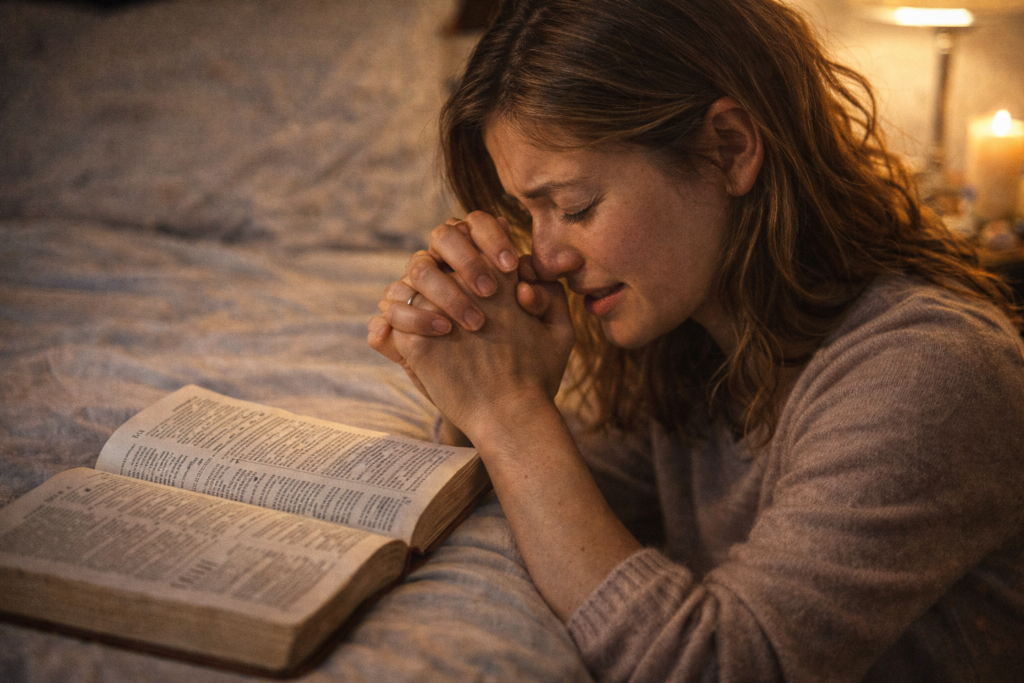
Introduction: Understanding the Biblical Model of Prayer in Matthew 6:9–13
The Model of prayer given in the book of Matthew 6:9-13 is one of the most powerful and practical teachings on prayer in Scripture. In this passage, Jesus responded to His disciples when they requested to be taught how to pray, and He provided what is commonly called “The Lord’s Prayer.”
However, this Model of prayer is not just a set of words to be repeated; but it’s a divine pattern that teaches structure, priority, and heart posture in approaching God. Do you know that many believers struggle with what to say when praying, how to begin, or whether they’re even praying correctly.
Well, the Model of prayer in Matthew 6:9–13 clearly and simply answers those questions. It guides you from worship to surrender, dependence to forgiveness, and from temptation to deliverance. When you understand this Model of prayer, your communication with God becomes more deeper, intentional, and transformative.
The Model of Prayer Begins with Relationship – “Our Father in Heaven”
The first phrase in this Model of prayer establishes a relationship: “Our Father in heaven, hallowed be Your name” (Matthew 6:9). The prayer begins with recognizing God as Father.
This should always remind you that you’re not speaking to a distant force but to a loving and powerful Father (Romans 8:15). The Model of prayer teaches us that intimacy comes before requests. By saying “Our Father,” Jesus emphasizes relationship, and that you’re to approach God not in isolation but as part of His family.
The Model of prayer also speaks about reverence: “hallowed be Your name.” To hallow means to honor as holy. Psalm 100:4 encourages us to “enter into His gates with thanksgiving and into his court with praise”. This Model of prayer therefore teaches you to begin prayer with worship, praises and gratitude before presenting your needs to God.
The Model of Prayer Prioritizes God’s Will – “Your Kingdom Come”
Another key dimension of the Model of prayer is surrendering to God’s will. “Your kingdom come, Your will be done on earth as it is in heaven” (Matthew 6:10). This will shift your focus from personal desires to divine purpose. This Model of prayer teaches alignment before petition.
When you pray for God’s kingdom to come, you’re asking for His rulership, authority, and righteousness to prevail in your Life and in the world. According to Matthew 6:33, “seek ye first the kingdom of God”. This Model of prayer reminds you that effective prayer is not about convincing God to fulfill your plans and ambitions, but about yielding yourselves to His plans, purpose and will.
This Model of prayer also challenges your priorities, are you more concerned about your comfort or God’s glory? By praying for His will to be done, you submit your ambitions, relationships, and decisions to Him. True spiritual growth begins when we adopt this Model of prayer in daily life.
The Model of Prayer Teaches Daily Dependence – “Give Us This Day Our Daily Bread”

This Model of prayer moves from worship and surrender to daily dependence: “Give us this day our daily bread” (Matthew 6:11). This teaches you to totally depend on God for both spiritual and physical provision. Just as God provided manna daily for the children of Israel in Exodus 16, this model of prayer emphasizes on trusting in God for everyday needs.
Take note of the word “daily.” The Model of prayer encourages consistent dependence, not occasional desperation. God cares about your everyday struggles for food, shelter, finances, and strength. That’s why Philippians 4:19 assures us that “God will supply all your needs according to His riches in glory”.
This Model of prayer also reminds you that you’re not self-sufficient. In a world where everyone wants to be independent, this pattern calls you back to humbly depend on God. Each time you pray for daily bread, you acknowledge Him as your source and sustainer.
The Model of Prayer Emphasizes Forgiveness – “Forgive Us Our Debts”
Forgiveness is central to the Model of prayer. “And forgive us our debts, as we forgive our debtors” (Matthew 6:12). This shows that prayer is not only about you receiving from God but also that you maintain right relationships with others.
1 John 1:9 assures us that “if we confess our sins, He is faithful and just to forgive us”. This Model of prayer teaches you to regularly examine your hearts and make sure it is grudge free. However, it also ties your forgiveness to how willing you are to forgive others (Matthew 6:14–15).
Unforgiveness can block your spiritual growth and hinder answers to prayer. This Model of prayer challenges you to release all forms of bitterness and extend grace, because when you forgive, you reflect the mercy you have received from God. This makes the Model of prayer a tool for inner healing and relational restoration.
The Model of Prayer Seeks Protection and Guidance – “Lead Us Not into Temptation”
The final portion of the Model of prayer addresses spiritual warfare: “And lead us not into temptation, but deliver us from all evil” (Matthew 6:13). Prayer is not only devotional; it is defensive and strategic. This Model of prayer recognizes the reality of temptation and evil. James 1:13 reminds us that “God does not tempt anyone”, but you ask for His guidance to avoid situations that could lead you astray.
This Model of prayer is a daily request for strength, discernment, and protection. It acknowledges your vulnerability and God’s power.Ephesians 6:11 urges believers to “put on the whole armor of God”. The Model of prayer complements this by inviting divine intervention in your spiritual battles. It teaches you to depend on God not only for provision but also for victory over every battle.
Applying the Model of Prayer in Everyday Life
The beauty of this Model of prayer is that it is practical. It provides a clear structure that you can follow:
- Relationship and worship
- Surrender to God’s will
- Daily provision
- Forgiveness
- Protection and deliverance
This Model of prayer can guide your personal devotion, family prayer, and corporate worship. It ensures balance so that you don’t only focus on needs while neglecting praise, or only focus on praise while ignoring repentance.By consistently and intentionally practicing this Model of prayer, you develop spiritual discipline and intimacy with God. It transforms prayer from a routine ritual into a purposeful communion.
Conclusion: Living the Model of Prayer Daily

The Model of prayer in the book of Matthew 6:9–13 is more than a passage just to be memorized; rather it’s a divine blueprint for meaningful communication with God. It teaches you how to approach Him with reverence, surrender, trust, humility, and spiritual awareness.
When you apply this Model of prayer, your perspective changes, you begin with worship instead of worry, you seek God’s will above your own, you trust God for daily needs, you walk in forgiveness and you rely on His protection. This pattern builds spiritual maturity and strengthens your faith.
In a world full of distractions and uncertainty, this Model of prayer remains timeless and powerful, because it provides structure without limiting sincerity, and gives direction without restricting intimacy. As you embrace this Model of prayer, your prayer life becomes not just a religious habit, but a living relationship with your Heavenly Father.